Audit
Technical audit
Technical audits cover terminal coder agents, local LLMs, transformers, DiT / diffusion generation, tensors, ASIC spectrogram and encode/decode paths, and hardware superstructure. Work starts with findings, then a documented fix path.
$100 USD · typically 48 hours to one week
Latent structure
For LLMs, code models, and local stacks such as llama.cpp / Llama class models: keep latent and data layouts addressable so the model is not fed a raw dump.
Terminal coder agents
Work on the agent shell itself: memory management, rule management, skill management, and the terminal coder path.
Transformer optimization
Transformer stacks: attention path, layer budget, and mid-span signal — tune how the model spends compute without publishing the recipe.
DiT and diffusion
Diffusion Transformer and diffusion paths for text, image, video, music, and voice generation — step locks, settle quality, modality routing.
Tensor optimization
Tensor layouts and packs shaped for the silicon you actually run — less waste between model math and device memory.
Spectrogram on ASIC
Spectral processing for voice and signal work on ASIC paths — band lanes read before transform, not one blind pipe.
Encode / decode
Custom encode and decode software for ASIC and render devices — move work onto the silicon path that owns it.
Hardware and superstructure
Hardware optimization for CPU, GPU, NPU, ASIC, and extreme render stacks — affinity, host links, and the superstructure that holds the run together.
Deep attention
Splits a large file or prompt set into parts, attends to and reasons over each part separately, then re-thinks over all the kept notes to write the final answer, so nothing in the middle is forgotten. Used across LLM and agent workloads.
Prompt optimization
Extra prompt layers on the model path — select, order, bound, lock — so local and remote models take the same disciplined steer.
Speculative decode across genetics
Speculative decode style — with a twist. Draft models do not have to share a family. A SAP path lets unrelated small models propose, then the large path verifies. Same idea as speculative decoding; different genetics on the draft side.
Shard dissolve decode
Shard the large model and open multi-channel lanes. Small-model words stream in as fragments and dissolve into the large body — continuous fuse, not a single draft pass.
Working system
Bond Network
Published separately from audit. Bond Network is an AI system — not an ISP or web host. Models and roles run as one mesh: Input, Planner, Master, Memory, workers, monitors, Output — local or online.
Input · Planner · Master · Memory · Coder · Decoder · Encoder · Composer · Scraper · Small monitors · Output
Browse
Categories
Programs are grouped by family. Open a category, then a program page.
Company
What ASPERA.BOND is
aspera.bond is a program laboratory. It publishes Bond Network (multi-model AI), audit work on AI stacks, and a desktop catalog — Marine, Systems, Mesh, and Creative.
Programs
Examples
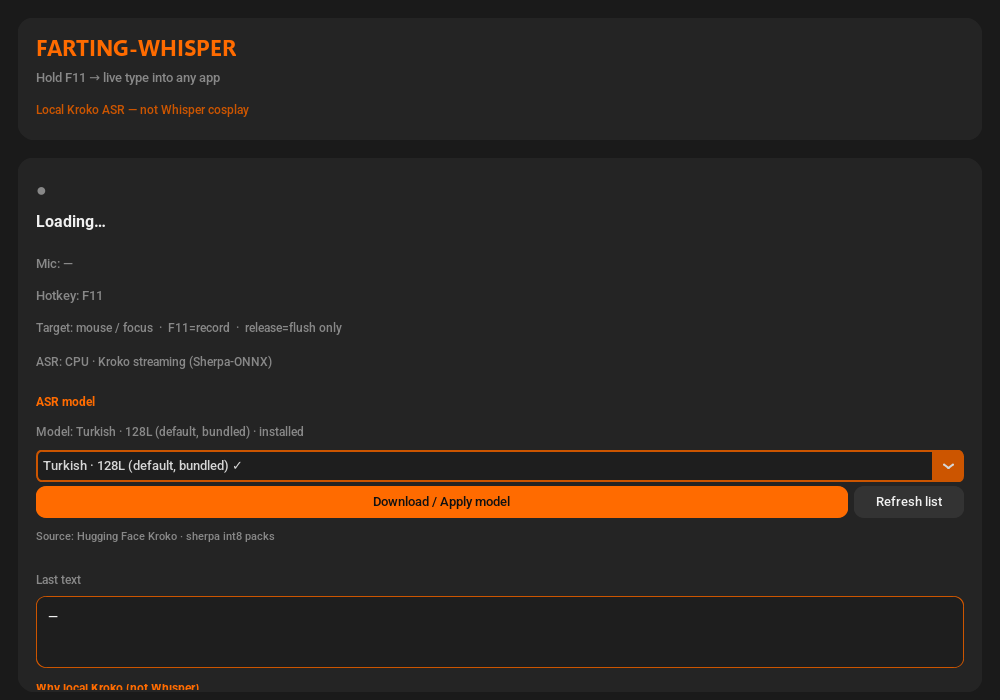
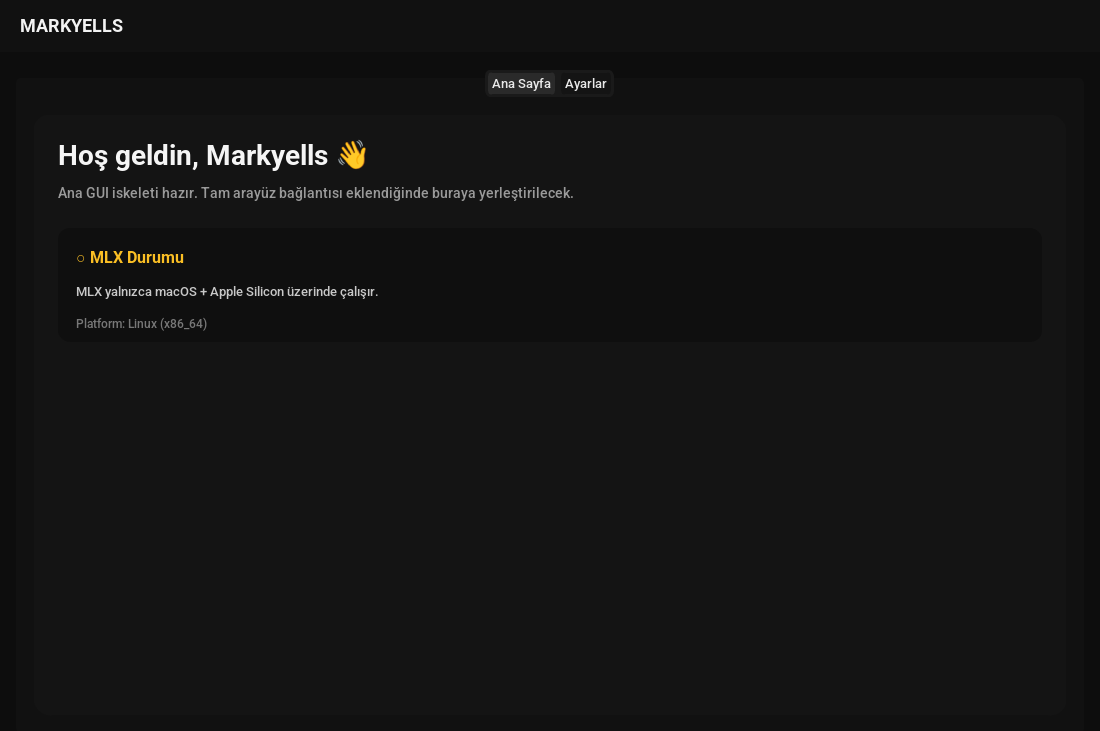
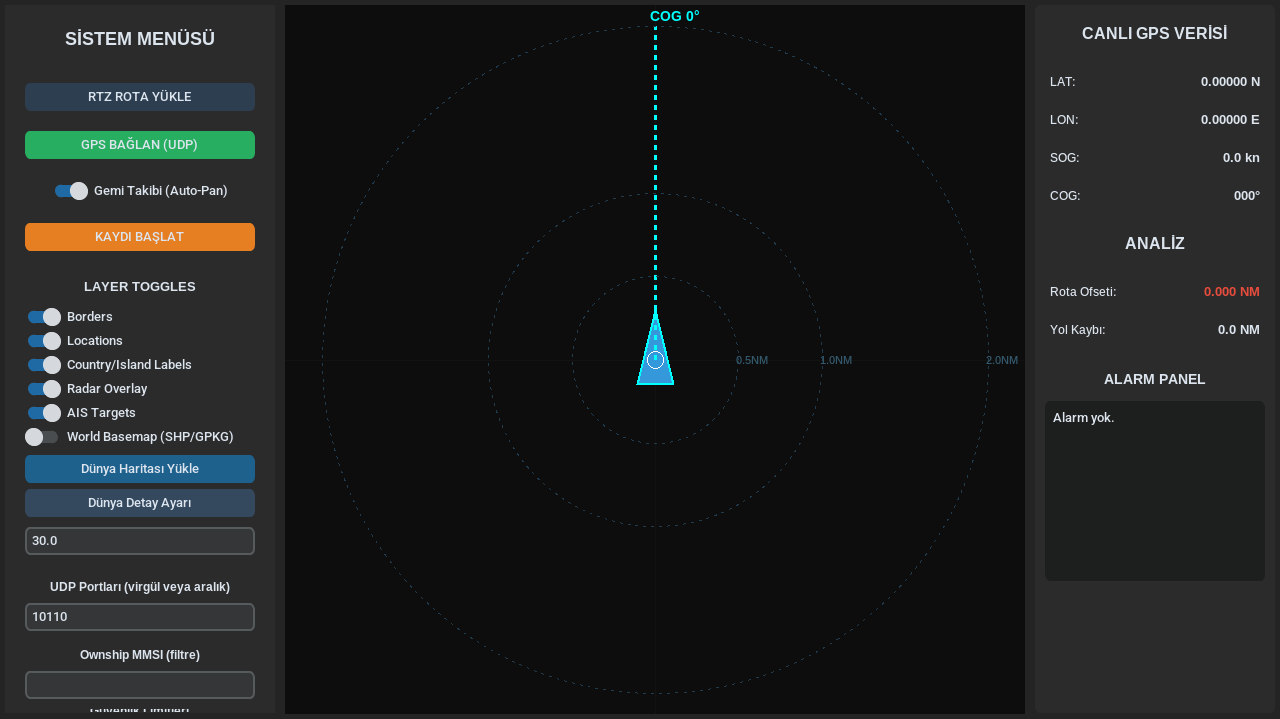
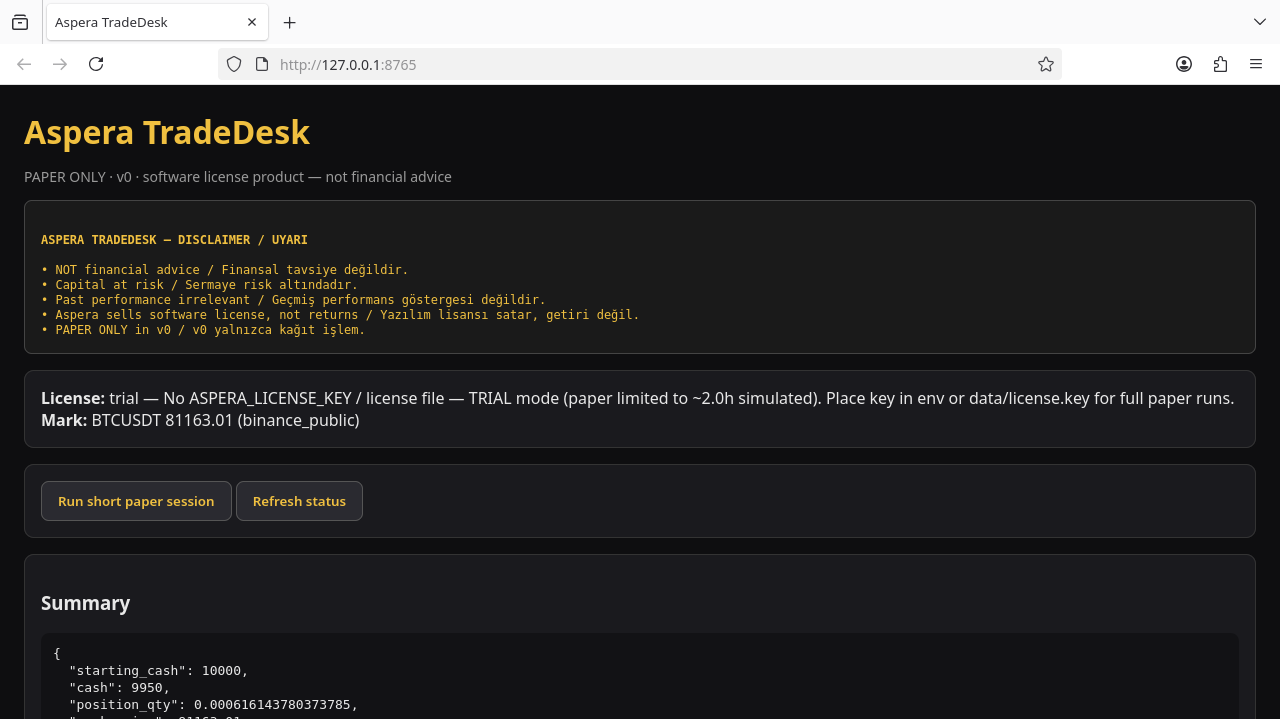
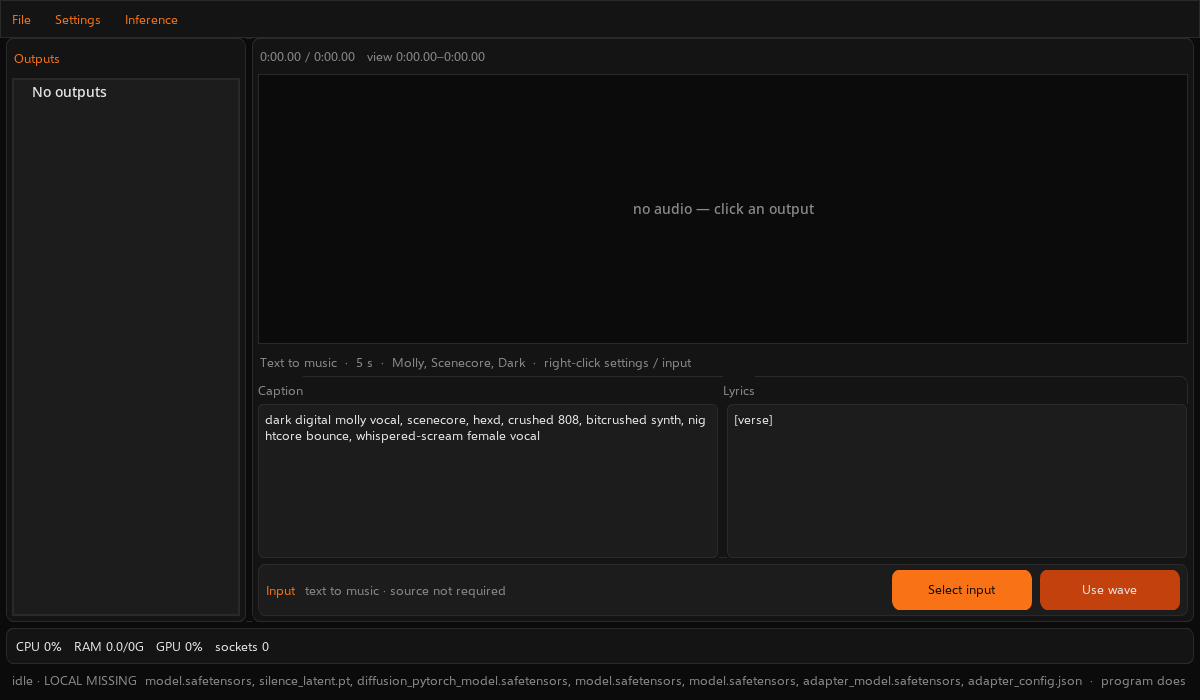
Program catalog
Loading catalog…
Studies
Crisis engine · Maritime knowledge · Tensor · Shard · Decode · Hardware